Blog

  • FSSC 22000 and ISO 22000 Difference

    FSSC 22000 and ISO 22000 Difference

    Food safety standards play a critical role in ensuring consumer protection, regulatory compliance, and brand credibility in the global food supply chain. Among the most widely discussed food safety frameworks are ISO 22000 and FSSC 22000. As the FSSC 22000 and ISO 22000 difference are closely related, many food businesses often ask the same question:


    Is FSSC 22000 different from ISO 22000?

    The simple answer is yes. While they are interconnected, they are not identical. This article explores what each standard represents, how they differ, and which one may be right for your organization.

    Understanding ISO 22000

    ISO 22000 is an internationally recognized standard developed by the International Organization for Standardization (ISO). It defines the requirements for a Food Safety Management System (FSMS) that can be applied to any organization within the food chain regardless of size or complexity.

    The main objective of ISO 22000 is to ensure food safety at every stage, from raw material sourcing to final consumption.

    Key Elements of ISO 22000

    ISO 22000 is built on four fundamental pillars:

    1. Interactive communication
      Ensures clear communication between all parties in the food chain regarding food safety hazards.
    2. System management
      Aligns with the ISO High-Level Structure, making it compatible with standards such as ISO 9001 (Quality Management) and ISO 14001 (Environmental Management).
    3. Prerequisite programs (PRPs)
      Basic conditions and activities necessary to maintain a hygienic environment, such as cleaning, pest control, and personal hygiene.
    4. HACCP principles
      Hazard Analysis and Critical Control Points to identify, evaluate, and control food safety hazards.

    ISO 22000 emphasizes a risk-based approach and continuous improvement. However, the standard does not prescribe detailed, sector-specific PRP requirements, leaving interpretation largely to the organization.

    What Is FSSC 22000?

    FSSC 22000 (Food Safety System Certification 22000) is a certification scheme that expands upon ISO 22000. It is managed by the Foundation FSSC and is recognized by the Global Food Safety Initiative (GFSI).

    FSSC 22000 was developed to bridge the gap between ISO 22000 and the more detailed requirements demanded by global retailers, food service providers, and multinational brands.

    Components of FSSC 22000

    FSSC 22000 is not a standalone standard. Instead, it is composed of three integrated components:

    1. ISO 22000
      Provides the core Food Safety Management System framework.
    2. Sector-specific Prerequisite Programs (PRPs)
      These are detailed technical requirements tailored to different sectors of the food chain, such as:
      • ISO/TS 22002-1 for food manufacturing
      • ISO/TS 22002-4 for packaging
      • ISO/TS 22002-6 for animal feed
    3. Additional FSSC requirements
      These include mandatory controls that go beyond ISO 22000, such as:
      • Food defense
      • Food fraud prevention
      • Allergen management
      • Environmental monitoring
      • Supplier and service management
      • Product labeling and information control

    These added layers make FSSC 22000 more prescriptive and operationally focused.

    Are ISO 22000 and FSSC 22000 the Same?

    No, they are not the same.

    A useful way to understand the relationship is:

    • ISO 22000 = Foundation
    • FSSC 22000 = ISO 22000 + sector-specific PRPs + additional food safety requirements

    ISO 22000 defines what a food safety management system should achieve.
    FSSC 22000 defines how it should be implemented in practice to meet global food safety expectations.

    Key FSSC 22000 and ISO 22000 Difference

    Although ISO 22000 and FSSC 22000 share the same foundation, their scope and market acceptance differ significantly.

    1. Standard vs. Certification Scheme

    ISO 22000 is a management system standard, while FSSC 22000 is a certification scheme that uses ISO 22000 as its base. In simple terms, FSSC 22000 includes ISO 22000—but not the other way around.

    2. GFSI Recognition

    One of the most important distinctions is GFSI recognition:

    • ISO 22000 alone is not GFSI-recognized
    • FSSC 22000 is GFSI-recognized

    Many international retailers and food brands require GFSI-recognized certification as a condition for doing business.

    3. Level of Detail

    ISO 22000 provides flexibility but fewer technical details. FSSC 22000, on the other hand, specifies exact PRP requirements and additional controls, reducing ambiguity during implementation and audits.

    4. Market Acceptance

    ISO 22000 is widely respected and useful for internal system development. However, FSSC 22000 has greater acceptance in global supply chains, especially in Europe, North America, and multinational operations.

    Which Certification Should You Choose?

    The choice between ISO 22000 and FSSC 22000 depends on your organization’s goals, customer requirements, and market reach.

    ISO 22000 Is Suitable If:

    • You are a small or medium-sized organization
    • Your customers do not require GFSI recognition
    • You want a strong food safety framework with flexibility
    • You are starting your food safety certification journey

    FSSC 22000 Is Suitable If:

    • You supply to major retailers or multinational brands
    • GFSI recognition is a customer or contractual requirement
    • You want a comprehensive, globally accepted certification
    • You operate in a highly regulated or export-oriented market

    Transitioning from ISO 22000 to FSSC 22000

    Many organizations begin with ISO 22000 and later transition to FSSC 22000. Since ISO 22000 is already part of FSSC 22000, the transition typically involves:

    • Implementing sector-specific PRPs
    • Addressing FSSC additional requirements
    • Enhancing documentation and risk assessments

    This phased approach can reduce implementation time and cost.

  • A Complete Guide on FSSC 22000 Version 6 Clauses

    A Complete Guide on FSSC 22000 Version 6 Clauses

    Food safety has become a global priority, driven by increasing consumer awareness, regulatory requirements, and complex supply chains. To address these challenges, the FSSC 22000 (Food Safety System Certification) scheme provides a robust framework for managing food safety risks across the entire food chain. In April 2023, the Foundation FSSC released FSSC 22000 Version 6, introducing important updates to strengthen food safety culture, supply chain control, and risk management.

    This blog provides a clear, clause-by-clause overview of FSSC 22000 Version 6 clause, helping organizations understand the structure, key requirements, and changes compared to earlier versions.

    FSSC 22000 Version 6

    FSSC 22000 Version 6 is a GFSI-recognized food safety certification scheme applicable to food manufacturing, packaging, storage, distribution, animal feed, and food service organizations. It is built on three core components:

    1. ISO 22000:2018 – Food Safety Management System
    2. Sector-specific Prerequisite Programs (PRPs) (ISO/TS 22002 series)
    3. Additional FSSC Requirements

    Version 6 enhances the scheme by focusing on:

    • Food safety culture
    • Quality management integration
    • Fraud and defense strengthening
    • Supply chain transparency
    • Sustainability and regulatory compliance

    Structure of FSSC 22000 Version 6 Clauses

    FSSC 22000 Version 6 follows the ISO High-Level Structure (HLS), making it compatible with other ISO standards such as ISO 9001 and ISO 14001.

    The clauses are structured as follows:

    • ISO 22000 clauses (Clauses 4 to 10)
    • Sector-specific PRPs
    • FSSC additional requirements

    Clause 4: Context of the Organization

    Clause 4 focuses on understanding the organization and its operating environment.

    Key Requirements:

    • Identify internal and external issues affecting food safety
    • Understand needs and expectations of interested parties (customers, regulators, suppliers, consumers)
    • Define the scope of the Food Safety Management System (FSMS)
    • Establish and maintain FSMS processes

    Version 6 Focus:

    Organizations must now consider food safety culture, supply chain risks, and regulatory changes more explicitly when defining context.

    Clause 5: Leadership

    Leadership commitment is critical in FSSC 22000 Version 6.

    Key Requirements:

    • Demonstrate top management commitment
    • Establish a food safety policy
    • Assign roles, responsibilities, and authorities
    • Promote a strong food safety culture

    Version 6 Enhancement:

    Food safety culture is emphasized through:

    • Clear communication of food safety values
    • Employee engagement and awareness
    • Accountability at all levels of the organization

    Clause 6: Planning

    Clause 6 addresses risk-based thinking and planning actions to achieve FSMS objectives.

    Key Requirements:

    • Identify food safety risks and opportunities
    • Set measurable food safety objectives
    • Plan changes to the FSMS in a controlled manner

    Version 6 Emphasis:

    Risk management must now consider:

    • Supply chain vulnerabilities
    • Emerging food safety threats
    • Fraud and intentional contamination risks

    Clause 7: Support

    Clause 7 ensures the organization has adequate resources to maintain food safety.

    Key Requirements:

    • Provide competent personnel
    • Maintain infrastructure and work environment
    • Control documented information
    • Ensure effective communication (internal and external)

    Version 6 Additions:

    • Stronger emphasis on competency management
    • Digital document control and traceability
    • Awareness training aligned with food safety culture

    Clause 8: Operation

    Clause 8 is the core of FSSC 22000, covering food safety operations.

    Key Requirements:

    • Operational planning and control
    • Prerequisite Programs (PRPs)
    • Hazard analysis and control measures
    • Traceability systems
    • Control of nonconforming products
    • Emergency preparedness

    Version 6 Strengthening:

    • Improved supplier approval and monitoring
    • Enhanced allergen management
    • Stronger traceability and recall systems
    • Integration of food fraud and food defense plans into operations

     Clause 9: Performance Evaluation

    Clause 9 ensures the FSMS is monitored and evaluated for effectiveness.

    Key Requirements:

    • Monitoring, measurement, analysis, and evaluation
    • Internal audits
    • Management review

    Version 6 Focus:

    Management reviews must now consider:

    • Food safety culture performance
    • Supplier performance trends
    • Effectiveness of fraud and defense controls
    • Regulatory compliance status

    Clause 10: Improvement

    Clause 10 focuses on continuous improvement and corrective actions.

    Key Requirements:

    • Manage nonconformities and corrective actions
    • Continually improve FSMS effectiveness
    • Use audit findings and performance data for improvement

    Version 6 Alignment:

    Organizations are expected to:

    • Demonstrate proactive improvements
    • Address root causes, not just symptoms
    • Improve food safety maturity over time

    Sector-Specific Prerequisite Programs (PRPs)

    In addition to ISO 22000 clauses, FSSC 22000 Version 6 requires compliance with sector-specific prerequisite programs, such as:

    • ISO/TS 22002-1 – Food manufacturing
    • ISO/TS 22002-4 – Food packaging
    • ISO/TS 22002-6 – Feed production

    Prerequisite programs cover 

    • Facility hygiene
    • Equipment maintenance
    • Pest control
    • Cleaning and sanitation
    • Waste management
    • Personnel hygiene

    Version 6 requires stronger documentation and validation of Prerequisite programs.

    Key Changes from FSSC 22000 Version 5.1 to Version 6:

    AreaVersion 6 Enhancement
    Food Safety CultureStronger, mandatory focus
    Quality IntegrationNew requirement
    Supply ChainIncreased transparency
    Food Fraud & DefenseMore robust controls
    Regulatory FocusEnhanced compliance expectations

    Benefits of Implementing FSSC 22000 Version 6 Clause:

    Organizations certified to FSSC 22000 Version 6 clause benefit from:

    • Enhanced food safety assurance
    • Global market acceptance
    • Improved brand reputation
    • Reduced food safety incidents
    • Stronger customer and regulator confidence

    Understanding and implementing the FSSC 22000 Version 6 clauses is essential for organizations seeking certification, recertification, or system improvement. With proper planning, training, and continuous improvement, FSSC 22000 Version 6 becomes a powerful tool for ensuring safe, high-quality food across the global supply chain.

  • ISO 28000 Audit Checklist

    ISO 28000 Audit Checklist

    ISO 28000 Audit Checklist

    ISO 28000 audit checklist is an essential tool for organizations preparing for certification or conducting internal audits of their Security and resilience- security management system for supply Chain (SRSMS). In today’s globalized economy, supply chains are increasingly exposed to risks such as theft, terrorism, smuggling, cyber threats, counterfeiting, and logistics disruptions. Organizations involved in logistics, transportation, manufacturing, warehousing, ports, and international trade must ensure that their supply chains are secure, resilient, and compliant with global standards. This is where ISO 28000 audit checklist plays a critical role.

    The ISO 28000 audit checklist is applicable to organizations of all sizes involved in:

    • Logistics and transportation
    • Shipping and freight forwarding
    • Ports, terminals, and warehouses
    • Manufacturing and distribution
    • Import, export and trade operations

    ISO 28000 Audit Checklist – Clause Wise Guide

    Below is a detailed ISO 28000 audit checklist, aligned with the standard’s clauses.


    1. Context of the Organization

    Audit Checklist Points:

    • Has the organization identified internal and external issues affecting supply chain security?
    • Are stakeholders (customers, suppliers, authorities) clearly identified?
    • Is the scope of the ISO 28000 Supply Chain Security Management System defined?
    • Are supply chain boundaries and interfaces documented?

      Objective: Ensure the organization understands its operational and security context.

    2. Leadership and Management Commitment

    Audit Checklist Points:

    • Is the top management committed to supply chain security?
    • Is a documented Supply Chain Security Policy formed?
    • Are the roles, responsibilities, and authorities defined?
    • Is a management representative appointed for ISO 28000?

    Objective: Confirm leadership involvement and accountability.

    3. Supply Chain Security Policy

    Audit Checklist Points:

    • Is the policy documented, approved, and communicated?
    • Does the policy align with organizational objectives?
    • Is the policy reviewed periodically?
    • Is it available to relevant interested parties?

    Objective: Ensure strategic direction for every security management.

    4. Risk Assessment and Threat Identification

    This is one of the most critical sections of the ISO 28000 audit checklist.

    Audit Checklist Points:

    • Has the organization identified supply chain security risks?
    • Are threats such as theft, sabotage, terrorism, cyber risks, and smuggling assessed?
    • Is a documented risk assessment methodology used?
    • Are risk levels evaluated and prioritized?
    • Are mitigation controls defined and implemented?

     Objective: Verify proactive risk-based security planning.

    5. Legal and Regulatory Compliance

    Audit Checklist Points:

    • Are applicable legal and regulatory requirements identified?
    • Are customs, port, transport, and trade security regulations complied with?
    • Are licenses and permits maintained?
    • Is compliance periodically reviewed?

    Objective: Ensure adherence to statutory and contractual obligations.

    6. Operational Controls

    Audit Checklist Points:

    • Are access controls in place for facilities and restricted areas?
    • Are physical security measures implemented (CCTV, fencing, guards)?
    • Are cargo handling and storage procedures defined?
    • Are supplier and contractor security requirements established?
    • Are information and data security controls implemented?

    Objective: Ensure security controls are operational and effective.

    7. Personnel Security and Awareness

    Audit Checklist Points:

    • Are background checks conducted where applicable?
    • Are employees trained on supply chain security?
    • Is security awareness promoted across departments?
    • Are responsibilities communicated clearly?

    Objective: Reduce human-related security risks.

    8. Communication and Documentation

    Audit Checklist Points:

    • Are internal and external communication processes defined?
    • Is documentation controlled and updated?
    • Are records maintained as evidence of compliance?
    • Are incident reports and logs properly documented?

    Objective: Ensure traceability and effective information flow.

    9. Emergency Preparedness and Incident Management

    Audit Checklist Points:

    • Are emergency response procedures established?
    • Are security incidents recorded and investigated?
    • Are corrective and preventive actions implemented?
    • Are mock drills or simulations conducted?

    Objective: Ensure preparedness for security disruptions.

    10. Performance Evaluation and Monitoring

    Audit Checklist Points:

    • Are key performance indicators (KPIs) defined for supply chain security?
    • Is monitoring conducted regularly?
    • Are internal audits planned and executed?
    • Are audit findings documented and addressed?

      Objective: Measure effectiveness of the SCSMS.

    11. Management Review

    Audit Checklist Points:

    • Are management reviews conducted periodically?
    • Are audit results, incidents, and improvement opportunities discussed?
    • Are decisions documented?
    • Are improvement actions tracked?

     Objective: Ensure continual improvement through leadership oversight.

    12. Continual Improvement

    Audit Checklist Points:

    • Are non-conformities identified and addressed?
    • Are corrective actions implemented and verified?
    • Is the continual improvement demonstrated?
    • Are the lessons learned integrated into processes?

    Objective: Maintain and enhance supply chain security over time.

    Common ISO 28000 Audit Non-Conformities

    Organizations often face the following issues during ISO 28000 audit checklist:

    • Incomplete risk assessments
    • Poor documentation control
    • Lack of employee awareness
    • Weak supplier security evaluation
    • Inadequate incident response records

    Using a detailed audit checklist helps prevent these non-conformities.

    Benefits of Using an ISO 28000 Audit Checklist

    Implementing an ISO 28000 audit checklist provides multiple benefits:

    • Improved supply chain security
    • Reduced risk of theft and disruption
    • Better compliance with trade regulations
    • Increased customer and stakeholder trust
    • Enhanced global market credibility

    Who Should Use ISO 28000 Audit Checklist ?

    This checklist is ideal for:

    • Organizations seeking ISO 28000 certification
    • Internal auditors and compliance teams
    • Logistics and supply chain managers
    • Consultants and implementation partners

    An ISO 28000 audit checklist is a powerful tool for organizations aiming to secure their supply chains and achieve ISO 28000 certification. By systematically reviewing policies, risks, controls, and performance, organizations can identify gaps early and strengthen their Supply Chain Security Management System.

  • Top Facts About CE Marking

    Top Facts About CE Marking

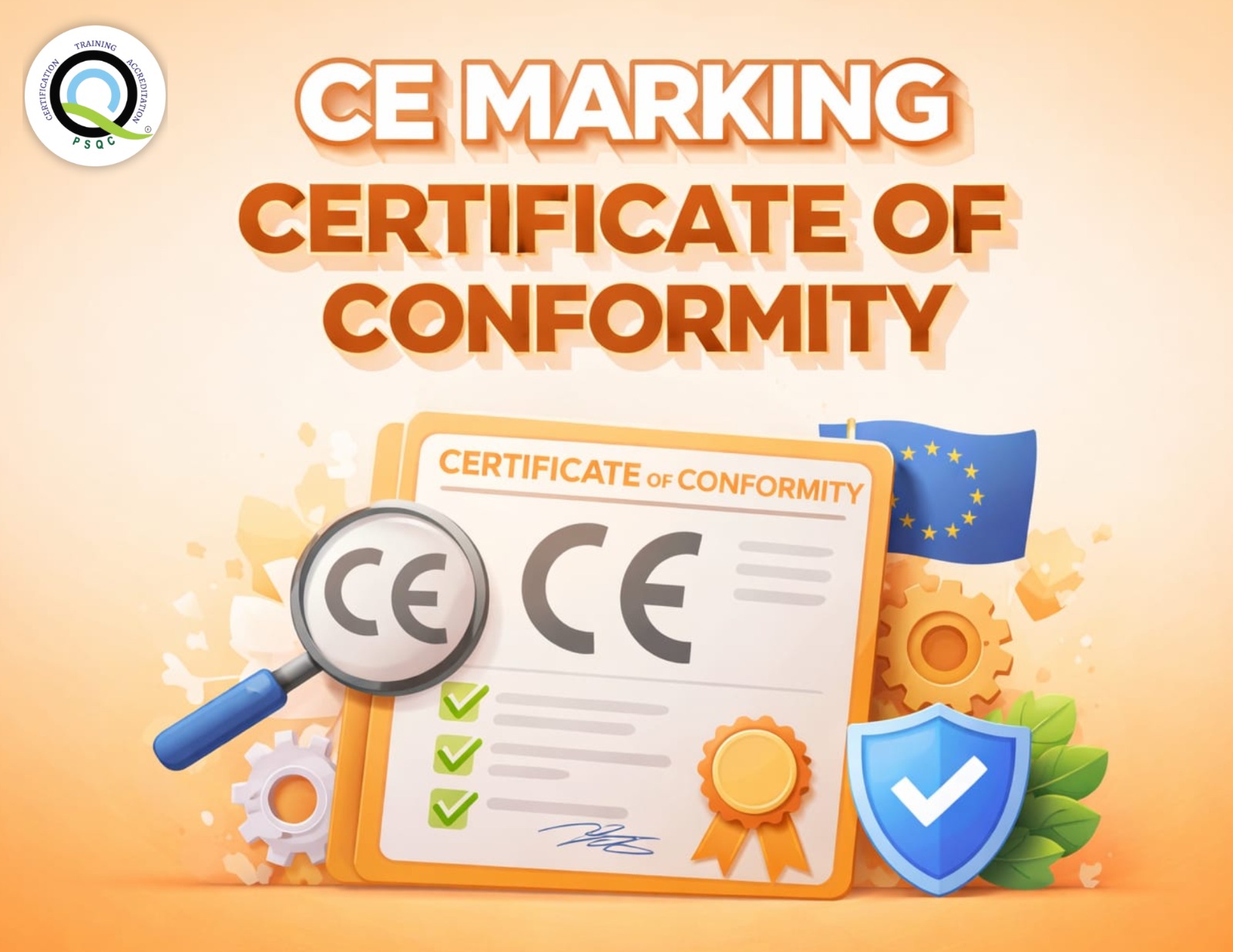
    CE mark is a certification mark which ensures conformity to regulations and rules of safety, health and environmental aspects of products sold in the EEA (European Economic Area). CE mark is thus a symbol, declaration, proof and validation with respect to Europe.

    What does it stand for?

    CE Mark appears on many products traded in the EEA. It can be seen on technical equipment, electronics, and toys and also on medical devices.

    Basically, the CE mark serves the purpose of indicating that products sold in the EEA have been evaluated to meet stringent environmental protection, safety and health requirements. Another fact about the CE mark is that CE marking supports fair competition by holding all companies accountable as per the same rules.

    How to obtain?

    For gaining CE Marking certification, one must comply with European Commission Regulations (EU), No. 2017/745, commonly referred to as the MDR (Medical Device Regulation).

    This simply implies that you must construct a technical file as proof that your product complies with all EU regulations. If you are a medical device manufacturer, it’s your responsibility for declaring compliance with all needs.

    In case of all devices, except Class 1 (Self-certified), the company must implement a QMS (Quality Management System) as per the MDR.

    Generally, the CE mark is supposed to be imprinted on the product. But if this is not possible, then manufacturers are allowed to affix it on packaging material or data plate of the product.

    Why is CE mark vital?

    The CE Marking is important for several reasons. It is a legal responsibility. It comes from EU legislation. It guarantees that the product is conforming to stipulations of the EEA. Selling products without CE Mark is an economic offence which is punished differently by each of the EU member states.

    CE marking indicates that the product is free to enter the EEA. CE mark is mandatory for all products that are imported or exported from EEA. The manufacturer shall affix the CE marking to products but must take some obligatory steps before using it.

    By affixing the CE mark, the manufacturer takes total responsibility of the products for complying with rules and standards of the EU (European Union). This CE mark has helped the EU to improve product quality.

    Is it a passport to Europe?

    The CE marking certification amounts to a passport for a product to enter the EU market. The CE marking procedure enables the free movement of a product within the EU. For several consumers, it is a symbol of quality.

    What does it indicate?

    A CE mark is a symbol that must be affixed on products before they can be sold in the EU. This mark indicates that a product serves the needs of relevant European directives for products. Also, it ensures that it meets all the needs of applicable, recognised and harmonised European performance and safety standards. It indicates that the product is fit for its objectives and will not jeopardise property or lives.

    Facts

    • CE marking certificates are usually valid for a maximum of 5 years but maybe reviewed annually.
    • CE is an abbreviation of a French term- Conformité Européene’ which means European Conformity.

    These are all the top facts about CE marking.

  • How to Prepare for ISO 13485 Audit

    How to Prepare for ISO 13485 Audit

    Preparation of ISO 13485 Audit

    Preparing for an ISO 13485 audit is a critical milestone for medical device manufacturers, suppliers, and service providers.No matter how confident you are in your QMS (Quality Management System), as a medical device manufacturer, you cannot be complacent about quality audits in the future. New global regulations like ISO 13485 imply that you need a tighter grip over the QMS in your facility.

    The new regulations stretch widely through the QMS, particularly for those managing huge networks of vendors and suppliers. Preparing for an audit is a crucial step for your organization. The process culminates with a 3rd party registrar conducted an external audit for gaining the Certification.

    Auditors have many objectives. These are:

    • To verify that your documentation adheres to all standards and needs
    • To ensure that employees realize their role in the QMS and know about ISO 13485 audit needs as regards their role in the firm
    • Correct following of procedures and processes

    Being audited is costly and time-consuming, so you may desire to be well prepared.

    1. Why ISO 13485 Audit Preparation Is Crucial ?

    An ISO 13485 audit evaluates not only documentation but also actual implementation and effectiveness of the quality management system. Poor preparation can lead to major non-conformities, delays, or certification failure.

    • Effective ISO 13485 audit preparation helps organizations:
    • Build confidence with regulators and customers
    • Reduce audit risks and non-conformities
    • Ensure regulatory compliance
    • Improve product quality and patient safety

    2.Step-by-Step ISO 13485 Audit Preparation:

    Following are some tips for a successful audit:

    1. Understand ISO 13485 Requirements Thoroughly

    The first step in ISO 13485 audit preparation is a deep understanding of the standard’s clauses, including:

    • Context of the organization
    • Quality management system documentation
    • Management responsibility
    • Resource management
    • Product realization
    • Measurement, analysis, and improvement

    Teams should understand not just what the requirement is, but why it exists.

    2. Conduct an ISO 13485 Gap Analysis

    A gap analysis compares your existing QMS against ISO 13485 requirements. This helps identify:

    • Missing procedures
    • Incomplete records
    • Weak controls
    • Implementation gaps

    Gap analysis is one of the most effective tools for ISO 13485 audit readiness and should be conducted well before the audit date.

    3. Ensure Complete ISO 13485 Documentation

    ISO 13485 is a documentation-intensive standard. Ensure the following are available, controlled, and updated:

    • Quality Manual
    • Quality Policy and Objectives
    • SOPs and Work Instructions
    • Design and development files
    • Risk management files (ISO 14971 alignment)
    • Device Master Records (DMR)
    • Device History Records (DHR)
    • Validation and verification records

    Document control and record retention are closely scrutinized during ISO 13485 audits.

    This is another crucial aspect of preparing for an audit. During this process, you must ensure that record lists and documents have been updated. All documents must be subject to review, approval, communication and followed by all. Also, ensure that there is the use of outdated documents.

    4. Preparation of Facility

    Much time and effort are involved in preparing your facility for audit. After deciding for getting certified, you must set goals and spare time for meeting the needs of the standard.

    While preparing for an audit, your organization must be cleaned and well organized. A messy facility can weigh heavily. You must have a wide understanding of the facility to avoid any hidden issues. While getting organized for the audit, check drawers, counters, bulletin boards, etc. for uncalibrated measuring and monitoring instruments and unknown supplies or parts.

    5.Train Employees on ISO 13485 Awareness

    Before the audit, you will need to appraise all your employees about the time and scope of the audit. Every employee must know the quality objectives of the organization and how they can contribute. You can prepare most employees through ISO 13485 training online.

    Auditors often interact with employees at different levels. Training should ensure employees understand:

    • Their roles and responsibilities
    • Applicable procedures
    • Quality objectives
    • Importance of compliance and traceability

    Competence records and training effectiveness evaluations must be available.

    6. Strengthen Design and Development Controls

    For organizations involved in design activities, ISO 13485 audit preparation must include:

    • Design planning
    • Design inputs and outputs
    • Design review records
    • Design verification and validation
    • Design transfer and changes

    Traceability between design inputs, outputs, risks, and verification is essential.

    7. Validate Critical Processes

    ISO 13485 requires validation of processes where output cannot be fully verified by inspection. These include:

    • Sterilization
    • Cleanroom operations
    • Software validation
    • Special manufacturing processes

    Ensure validation protocols, reports, and revalidation evidence are available and approved.Your organization must make sure that all processes are adhering to the planned arrangements that you set out to accomplish and that they are being performed and followed in the right fashion by all employees.

    8.Internal Audit

    An internal audit must be conducted by the firm. This is not only vital for ISO 13485 certification but also to spot non-conformances. You must take internal audits seriously. Ensure that:

    • Non-conformities are addressed effectively
    • Internal audits cover all ISO 13485 clauses
    • Audits are conducted by trained auditors

    They are a good way to prepare staff for certification interviews. The aim of an internal audit is to spot weaknesses as well as areas requiring improvement.

    Following an internal audit, findings must be reviewed in a close meeting with everyone involved. The objective of an internal audit is to correct areas of weaknesses in the path to ISO 13845 certification.

    These are the major steps towards preparing for ISO 13845 certification. Additional steps are required such as review of past internal audit findings, review of corrective action process, pre-assessment audit, 2-Stage certification audit and finally, a professional, 3rd party audit.

    Management Review

    This should take place soon after an internal audit. As per this step, past internal audit findings must be reviewed, and corrective actions must be taken, where needed.Management review meetings must demonstrate leadership involvement, covering:

    • Improvement actions
    • Audit results
    • Customer feedback
    • Process performance
    • Regulatory changes

    3. Common ISO 13485 Audit Non-Conformities to Avoid

    • Incomplete risk management documentation
    • Poor traceability between documents
    • Ineffective corrective actions
    • Inadequate process validation
    • Weak complaint handling procedures
    • Missing training records

    Proactive preparation helps avoid these common pitfalls.

    4. Benefits of Effective ISO 13485 Audit Preparation

    • Faster certification with fewer non-conformities
    • Strong regulatory compliance
    • Improved product safety and quality
    • Increased customer and regulator confidence
    • Easier market access globally

    ISO 13485 audit preparation is not just about passing an audit.It is about building a sustainable, compliant quality system.

    Successful ISO 13485 audit preparation requires structured planning, strong documentation, effective risk management, and organization-wide involvement. By conducting gap analysis, strengthening processes, training employees, and performing internal and mock audits, medical device organizations can approach ISO 13485 audits with confidence.

    A well-implemented ISO 13485 Quality Management System ensures not only certification success but also long-term compliance, patient safety, and business growth in the highly regulated medical device industry.